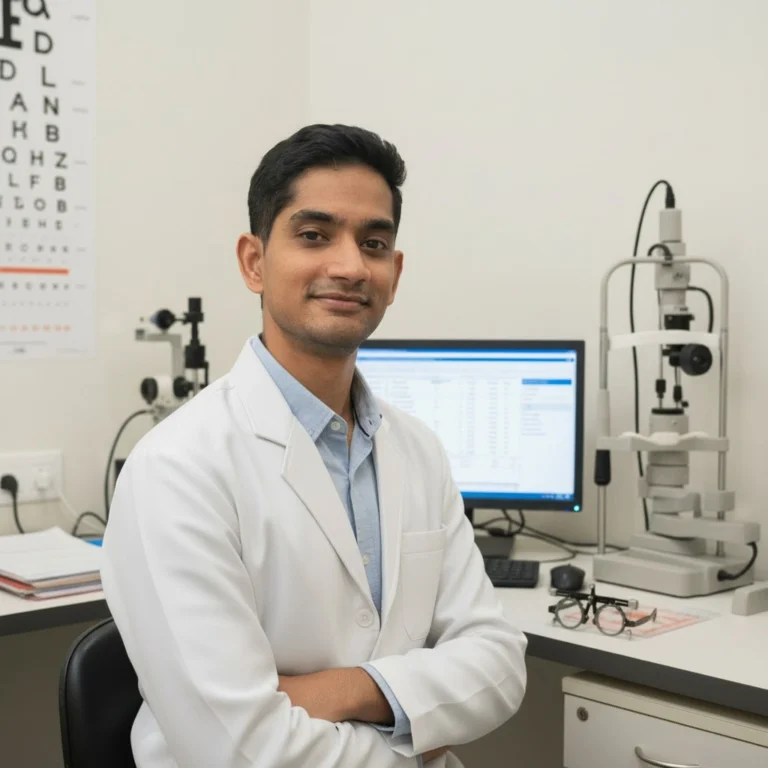

Diabetic Eye Care in Hyderabad
Diabetes can damage blood vessels in the retina, leading to vision loss if not caught early. At Dr Row’s Eye Centre, we provide thorough diabetic eye screenings in Hyderabad using advanced retinal imaging and personalized care to detect changes before they affect your sight.
From retinal photography and OCT scans to laser therapy and medication management, our team creates a tailored treatment plan to monitor and treat diabetic retinopathy, helping you maintain clear, healthy vision.
What’s Included in Diabetic Eye Care?
✅ Visual Acuity Assessment – Check how clearly you see near and far, establishing a baseline for any changes in vision.
✅ Dilated Fundus Examination – Use dilating drops to get a wide view of the retina and optic nerve, allowing our consultants to spot early signs of diabetic retinopathy, macular edema, or other vascular changes.
✅ Retinal Photography – Capture high-resolution, color images of your retina to document and track any blood-vessel abnormalities caused by diabetes.
✅ Optical Coherence Tomography (OCT) – Create detailed cross-sectional scans of retinal layers, helping us detect fluid accumulation or retinal thickening before it affects vision.
✅ Intraocular Pressure Measurement (Tonometry) – Screen for glaucoma, since people with diabetes have a higher risk for elevated eye pressure.
✅ Fluorescein Angiography (if required) – Inject a safe dye and take sequential images to pinpoint leaking blood vessels, blockages, or areas of poor circulation in the retina.
✅ Consultation & Personalized Treatment Plan – Review all findings with our in-house eye specialists—discuss blood-sugar control, lifestyle modifications, and any recommended therapies (laser treatment, injections, or follow-up intervals).
All tests are performed using advanced NIDEK & Zeiss-class imaging systems by trained technicians and reviewed by our diabetic-retinopathy experts to ensure you receive timely, accurate care.
Frequently Asked Questions
Why do people with diabetes need special eye care?
High blood sugar levels can damage the tiny blood vessels in the retina, leading to a condition called diabetic retinopathy. Early-stage changes often have no symptoms, so regular eye checks can catch problems before vision is affected.
How often should I get my eyes checked if I have diabetes?
If you’re newly diagnosed with type 1 diabetes, schedule an eye exam within 5 years of diagnosis. For type 2 diabetes, book your first exam as soon as possible. After that, you typically need a retinal screening once a year, unless your ophthalmologist advises more frequent visits based on your health.
What tests are done during a diabetic eye exam?
A diabetic eye exam usually includes:
Visual acuity check (reading letters on a chart)
Retinal photography or OCT scan to capture detailed images of the back of your eye
Dilated fundus examination for a close look at blood vessels and the optic nerve
Intraocular pressure measurement to screen for glaucoma
These tests help spot early signs of blood-vessel changes, swelling, or bleeding.
Can diabetic retinopathy be treated?
Yes. Early stages may only require careful monitoring and stricter blood-sugar control. If more advanced changes are detected, treatments include:
Laser therapy to seal leaking blood vessels
Injectable medications to reduce retinal swelling
Vitrectomy surgery in severe cases to remove scar tissue or blood from the eye
Successful outcomes depend on early detection and timely intervention.
How can I protect my vision if I have diabetes?
Along with annual eye exams, control your blood sugar, blood pressure, and cholesterol. Eating a balanced diet, staying active, and monitoring blood glucose levels can slow the progression of retinopathy. If you notice sudden vision changes—like blurriness, floaters, or dark spots—call us immediately.
Do I need an appointment for diabetic eye care, and what should I bring?
There’s no online booking—you can walk in Monday through Saturday, 10 a.m.–6 p.m., or call 040 2763 1010 to reserve a slot by phone. Bring:
Any past eye reports or retinal images
A list of current medications (especially diabetes medicines)
Your last blood-sugar or HbA1c report (if available)
These details help us tailor your exam and treatment plan.